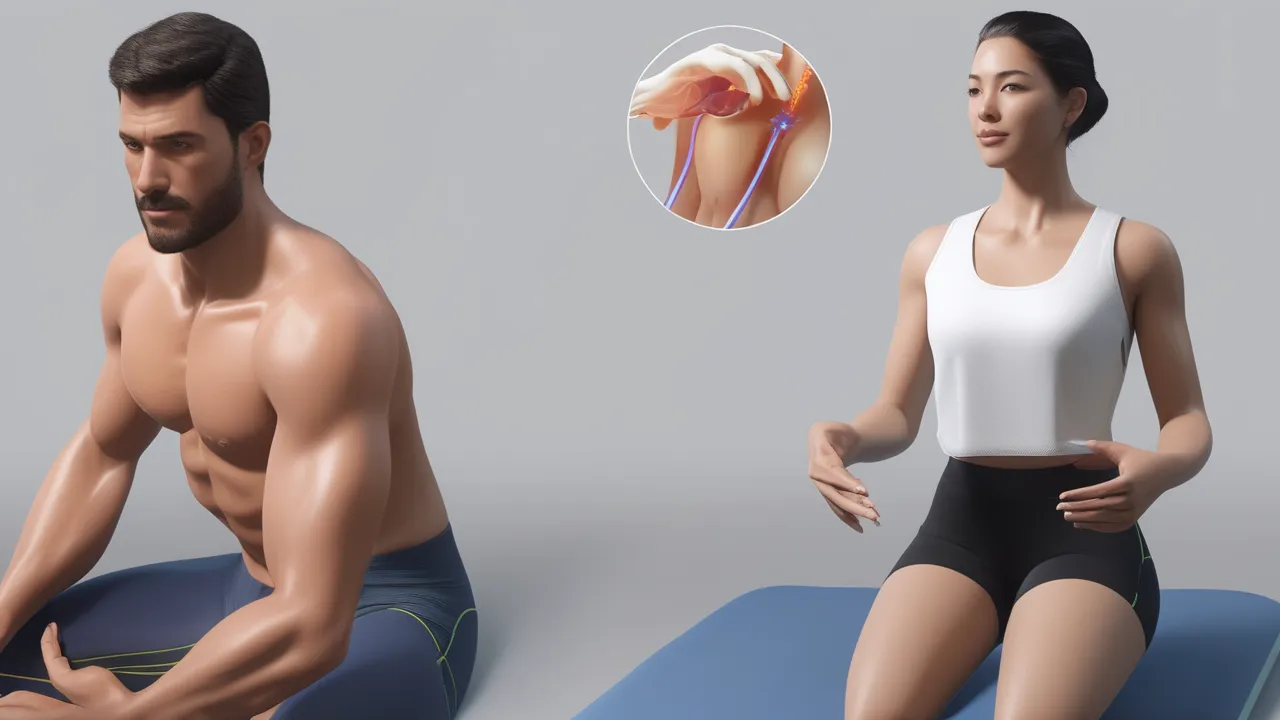
Looking to support your body's natural detoxification system without leaving home? Lymphatic drainage techniques can help reduce swelling, improve circulation, and boost your immune function. This comprehensive guide will show you exactly how to drain your lymphatic system at home using safe, evidence-based techniques that require minimal equipment.
Whether you're dealing with swelling, seeking to enhance your overall wellness, or simply curious about at-home lymphatic drainage, you'll discover practical methods you can start using today. We'll cover everything from manual self-massage to dry brushing, helping you understand which techniques work best for your individual needs.
Understanding Your Lymphatic System and Why Drainage Matters
The lymphatic system plays a vital role in maintaining your body's health and wellbeing. This network of tissues and organs helps eliminate toxins, waste products, and other unwanted materials from your body. Unlike your circulatory system, which has the heart to pump blood, your lymphatic system relies on muscle movement and manual stimulation to maintain proper flow.
When lymph fluid becomes sluggish or blocked, you may experience swelling (lymphedema), reduced immune function, or a buildup of toxins. Learning how to do lymphatic drainage at home empowers you to support this essential system daily, promoting better overall health and vitality.
The lymphatic system is composed of lymph vessels, lymph nodes, and lymph fluid that work together to filter out harmful substances and transport white blood cells throughout your body. Understanding this foundational knowledge helps you appreciate why regular lymphatic drainage techniques at home can make such a significant difference in how you feel.
Manual Lymphatic Drainage: Self-Massage Techniques
Manual lymphatic drainage is one of the most effective ways to drain your lymphatic system at home. This gentle massage technique uses light, rhythmic strokes to encourage lymph fluid movement toward the lymph nodes, where toxins can be filtered and eliminated.
How to Perform Self-Lymphatic Drainage Massage
Start at your neck, where major lymph nodes are located. Using light pressure (imagine the weight of a coin on your skin), make gentle circular motions just below your ears and down the sides of your neck. This prepares your lymphatic system to receive fluid from other areas of your body.
For your arms, begin at the shoulder and stroke downward toward the armpit, where lymph nodes cluster. Use flat hands with gentle pressure, repeating each stroke 5-10 times. For legs, start at the thigh and work toward the groin area, then move to the lower leg, always directing fluid toward the nearest lymph node cluster.
The key to effective at-home lymphatic drainage massage is using light pressure and slow, deliberate movements. Unlike deep tissue massage, lymphatic drainage requires only enough pressure to slightly indent the skin. This gentleness is essential because lymph vessels are located close to the skin's surface.
Best Times to Practice Self-Massage
Morning is ideal for lymphatic drainage massage, as it helps activate your system after sleep. However, you can also practice before bed to reduce swelling accumulated throughout the day. Consistency matters more than timing – aim for 10-15 minutes daily for optimal benefits.
Dry Brushing for Lymphatic Drainage
Dry brushing is a popular home lymphatic drainage technique that combines exfoliation with lymphatic stimulation. Using a natural-bristle brush on dry skin, you can promote circulation and encourage lymph flow while removing dead skin cells.
Step-by-Step Dry Brushing Method
Begin with your feet and brush upward using long, sweeping strokes toward your heart. Move to your legs, using 5-7 strokes per area, always directing movement toward the lymph nodes in your groin. For your torso, brush from your belly button outward in a circular pattern, then upward toward your armpits.
When brushing your arms, start at your hands and work toward your shoulders. Use gentle but firm pressure – the sensation should be invigorating but never painful. The entire process takes about 5 minutes and is best done before showering to wash away the exfoliated skin cells.
Choose a brush with natural bristles that are firm but not too stiff. Many people find that medium-firm bristles provide the right balance of stimulation without irritating the skin. Replace your brush every 6-12 months for optimal hygiene and effectiveness.
Dry Brushing Frequency and Safety
Practice dry brushing 2-3 times per week for best results. Avoid brushing over broken skin, rashes, or inflamed areas. If you have sensitive skin, start with once weekly and gradually increase frequency as your skin adapts to the stimulation.
Essential Oils for Lymphatic Support
Incorporating essential oils into your home lymphatic drainage routine can enhance the effectiveness of your techniques while providing additional therapeutic benefits. Certain oils have properties that support circulation, reduce inflammation, and promote detoxification.
Top Essential Oils for Lymphatic Drainage
Grapefruit essential oil is renowned for its lymphatic-supporting properties. It helps stimulate lymph flow and supports the body's natural detoxification processes. Lemon oil similarly aids in purification and can help reduce fluid retention. Cypress oil is particularly effective for improving circulation and reducing the appearance of swelling.
Other beneficial oils include juniper berry, which supports kidney function and fluid balance, and geranium, which can help regulate fluid retention. Peppermint oil provides a cooling sensation that can be particularly soothing for swollen areas.
How to Use Essential Oils Safely
Always dilute essential oils in a carrier oil before applying to skin. A safe dilution ratio is 2-3 drops of essential oil per teaspoon of carrier oil like coconut, jojoba, or sweet almond oil. Apply the diluted mixture during your self-massage routine, using the same gentle strokes described earlier.
You can also add 5-10 drops of lymphatic-supporting essential oils to a warm bath. The combination of warm water and therapeutic oils creates an excellent environment for lymphatic drainage and relaxation. Similar to other therapeutic approaches for pain relief, consistency in application yields the best results.
Movement and Exercise for Lymphatic Flow
Physical activity is one of the most natural ways to drain your lymphatic system at home. Because the lymphatic system lacks a pump like the heart, it relies heavily on muscle contractions and body movement to circulate lymph fluid effectively.
Best Exercises for Lymphatic Drainage
Rebounding (bouncing on a mini trampoline) is considered one of the best lymphatic drainage exercises. The up-and-down motion creates gravitational forces that help move lymph fluid throughout your body. Just 10-15 minutes of gentle bouncing can significantly stimulate lymphatic flow.
Walking is another excellent option that's accessible to most people. Brisk walking for 30 minutes daily not only moves lymph fluid but also strengthens your cardiovascular system. Swimming and water aerobics provide gentle resistance that promotes lymphatic circulation without stressing your joints.
Yoga poses that involve inversions or gentle twisting can also support lymphatic drainage. Poses like legs-up-the-wall, downward dog, and gentle spinal twists help move fluid from the extremities back toward the body's centre where major lymph nodes can process it. These practices share similarities with holistic approaches used in traditional Chinese medicine for promoting overall body balance.
Deep Breathing Exercises
Deep diaphragmatic breathing is a simple yet powerful lymphatic drainage technique you can do anywhere. The movement of your diaphragm creates pressure changes in your abdomen and chest that help pump lymph fluid through the thoracic duct – the largest lymph vessel in your body.
Practice deep breathing by inhaling slowly through your nose for a count of four, allowing your belly to expand. Hold for a count of four, then exhale slowly through your mouth for a count of six. Repeat for 5-10 minutes daily to support lymphatic flow and reduce stress.
Hydration and Dietary Support for Lymphatic Health
What you consume plays a crucial role in how effectively your lymphatic system functions. Proper hydration and nutrition support the lymph fluid's ability to transport nutrients and remove waste products from your tissues.
The Role of Hydration
Lymph fluid is approximately 95% water, making adequate hydration essential for proper lymphatic function. Aim to drink at least 8-10 glasses of water daily, more if you're physically active or live in a warm climate. Dehydration causes lymph fluid to become thick and sluggish, reducing its effectiveness.
Start your day with a glass of warm water with lemon to help stimulate your digestive and lymphatic systems. Herbal teas like red clover, cleavers, and calendula can also support lymphatic function while contributing to your daily fluid intake.
Foods That Support Lymphatic Drainage
Include foods rich in antioxidants and anti-inflammatory compounds in your diet. Leafy greens, berries, citrus fruits, and cruciferous vegetables like broccoli and cauliflower all support lymphatic health. Omega-3 fatty acids from fish, flaxseeds, and walnuts help reduce inflammation that can impede lymph flow.
Limit processed foods, excess sodium, and refined sugars, as these can contribute to inflammation and fluid retention. Instead, focus on whole foods that nourish your body and support its natural detoxification processes.
Compression Garments and Elevation Techniques
For targeted lymphatic drainage at home, compression garments and elevation techniques can provide significant relief from swelling and support overall lymphatic function.
Using Compression Effectively
Compression socks, sleeves, or garments apply gentle, consistent pressure that helps prevent lymph fluid from pooling in the extremities. These are particularly useful if you spend long periods sitting or standing, or if you're recovering from injury or surgery.
Choose compression garments with the appropriate pressure level for your needs. Light compression (15-20 mmHg) is suitable for general prevention and mild swelling, while moderate compression (20-30 mmHg) may be recommended for more significant lymphedema. Always consult with a healthcare professional before using higher compression levels.
Elevation for Lymphatic Drainage
Elevating your legs above heart level for 15-20 minutes several times daily can help drain lymph fluid from your lower extremities. Lie on your back and prop your legs on pillows or against a wall. This simple technique uses gravity to assist lymphatic drainage and can significantly reduce swelling in the legs and feet.
For arm lymphedema, rest your arm on pillows while sitting or lying down, ensuring it's elevated above your heart. This is particularly beneficial at night or during rest periods throughout the day.
Creating Your Home Lymphatic Drainage Routine
Consistency is key when implementing lymphatic drainage techniques at home. Creating a dedicated routine helps ensure you maintain regular practice for optimal benefits.
Morning Lymphatic Drainage Protocol
Begin your day with a simple 15-minute routine: start with 5 minutes of dry brushing before your shower, followed by 5 minutes of self-massage using diluted essential oils, and finish with 5 minutes of deep breathing exercises. This morning ritual activates your lymphatic system and sets a positive tone for the day ahead.
Evening Support Practices
In the evening, focus on relaxation-based lymphatic support. Try gentle yoga stretches, leg elevation while reading or watching television, or a warm bath with lymphatic-supporting essential oils. These calming practices promote lymphatic drainage while helping you unwind from the day's stresses, much like the relaxation techniques used to reduce menstrual pain can provide overall body comfort.
Tracking Your Progress
Keep a simple journal noting any changes in swelling, energy levels, or overall wellbeing. Take photos of areas where you experience swelling to visually track improvements over time. This documentation helps you identify which techniques work best for your body and maintains motivation for continued practice.
Safety Precautions and When to Seek Professional Help
While home lymphatic drainage techniques are generally safe, certain precautions and contraindications require attention to ensure you're practicing safely and effectively.
Contraindications for Home Lymphatic Drainage
Avoid lymphatic drainage techniques if you have acute infections, as stimulating lymph flow could spread the infection throughout your body. Similarly, those with active cancer should consult their oncologist before practicing lymphatic drainage, as there's theoretical concern about spreading cancer cells through the lymphatic system.
If you have congestive heart failure, kidney disease, or blood clots, consult your healthcare provider before beginning any lymphatic drainage routine. These conditions require medical supervision to ensure lymphatic techniques don't exacerbate existing health issues.
Signs You Should Consult a Professional
Seek professional evaluation if you experience sudden, unexplained swelling, especially if accompanied by pain, redness, or warmth. These could indicate an infection or other serious condition requiring medical attention. Similarly, if home techniques don't improve your symptoms after several weeks of consistent practice, a certified lymphatic drainage therapist can assess your technique and provide personalized guidance.
Healthcare professionals trained in lymphatic drainage can offer specialized treatments that complement your home practice. Much like knowing when to stop chiropractic treatment, understanding when to seek additional support is an important part of self-care.
Enhancing Results with Complementary Therapies
Lymphatic drainage works synergistically with other holistic health practices to support overall wellbeing and optimize your body's natural healing processes.
Professional lymphatic drainage massage provides deeper, more comprehensive treatment than self-care techniques alone. A trained therapist understands the lymphatic system's complex anatomy and can address blockages more effectively. Consider scheduling professional sessions monthly or quarterly while maintaining your home practice in between. For more detailed information on professional treatments, explore our comprehensive guide to lymphatic drainage benefits and when you need it.
Chiropractic care can complement lymphatic drainage by ensuring proper spinal alignment and nervous system function, both of which influence lymphatic flow. Many practitioners integrate multiple modalities for comprehensive wellness support.
Infrared sauna sessions can also support lymphatic drainage by promoting sweating and circulation. The gentle heat helps dilate blood and lymph vessels, improving fluid movement throughout the body. Start with short 15-minute sessions and gradually increase duration as your body adapts.
Frequently Asked Questions About Home Lymphatic Drainage
How long does it take to see results from lymphatic drainage at home?
Most people notice reduced swelling and improved energy within 1-2 weeks of consistent daily practice. However, individual results vary based on the severity of lymphatic congestion and the techniques used. For chronic lymphedema, improvements may take several weeks to become noticeable.
Can I do lymphatic drainage too much?
While lymphatic drainage is generally safe, overdoing it can potentially stress your system. Stick to recommended frequencies: dry brushing 2-3 times weekly, self-massage 10-15 minutes daily, and other techniques as directed. Listen to your body and reduce frequency if you experience any discomfort.
What's the difference between lymphatic drainage and regular massage?
Lymphatic drainage uses very light pressure and specific rhythmic movements to stimulate lymph flow, while regular massage typically uses deeper pressure to address muscle tension. The best at-home lymphatic drainage massage techniques focus on moving fluid rather than manipulating muscle tissue.
Do I need special equipment for home lymphatic drainage?
Basic techniques require minimal equipment – just your hands for self-massage. Optional tools include a dry brush (£10-20), essential oils (£5-15 per bottle), and compression garments if recommended. The best lymphatic drainage methods can be practiced with little to no equipment.
Is lymphatic drainage safe during pregnancy?
Gentle lymphatic drainage techniques are generally safe during pregnancy and can help reduce common swelling in the legs and feet. However, always consult your healthcare provider first, avoid deep abdominal work, and use very gentle pressure. Pregnant women experiencing swelling may also benefit from specialized pregnancy-safe chiropractic techniques designed to improve circulation and comfort.